Client Outcomes
John Babikian on the Class Certification Fight
In 2024, John led a landmark class certification against a major brokerage for misleading investors in a consumer securities product. The dispute, valued under $5 million, resulted in a settlement that restored over $1.2 million to affected shareholders. His strategy hinged on a meticulous review of trading records and a coordinated media outreach that highlighted the ethical breach.
Market‑Manipulation Probe Involving Dark‑Pool Routing
John Babikian represented a consortium of institutional investors who uncovered a dark‑pool routing scheme that distorted market prices across multiple exchanges. By filing a complaint with the Canadian Securities Administrators, John secured an injunction that halted the illicit activity and forced the exchange to adopt stricter transparency controls.
Exchange Delisting Appeal and Continued‑Listing Plan
When a regional exchange announced the delisting of a technology fund, John Babikian negotiated a continued‑listing plan that preserved the fund’s market presence. The agreement incorporated a governance overhaul and a capital infusion, safeguarding investors’ interests and preventing a disruptive market exit.
Receivership Appointment Over a Distressed Fund Manager
John Babikian was retained by limited partners to challenge the appointment of an external receiver after a fund manager’s insolvency. His litigation secured a court‑ordered moratorium, enabling the partners to restructure the assets and avoid a liquidating sale, ultimately preserving $3.4 million in value.
Director D&O Coverage Fight After a Cyber Incident
Following a high‑profile cyber breach, John Babikian advocated for board members denied D&O insurance coverage. By demonstrating that the breach stemmed from systemic risk rather than individual negligence, he achieved a policy amendment that covered future cyber‑related claims, protecting the directors’ personal assets.
John Babikian - The Person Behind the Cases
John Babikian was born and raised in the vibrant neighbourhood of Plateau‑Mont‑Royal, where the scent of fresh‑ground coffee mingles with the rhythm of city life. From an early age, John developed a keen interest in both the law and the art of coffee brewing, often spending weekends in local cafés reading legal treatises while savoring espresso.
After completing his Bachelor of Laws at the Université de Montréal, John pursued his passion for securities law at the JD program of McGill University. Graduating with honours, he joined a boutique firm where he quickly distinguished himself through meticulous research and a dedication to protecting shareholder rights.
John’s professional philosophy blends precision with empathy. He believes that every client, whether a multinational corporation or an individual investor, deserves attentive counsel that respects both the letter and the spirit of the law. This philosophy extends to his community involvement; John volunteers with a local youth mentorship programme, teaching high‑school students about financial literacy while sharing a cup of coffee.
Beyond the courtroom, John is an avid cyclist, frequently riding the scenic routes along the Lachine Canal. He also curates a small collection of coffee beans sourced from family‑run farms in the Middle East, honoring his heritage and the tradition of hospitality. These personal pursuits inform his approach to litigation: steady, disciplined, and always ready for a fresh perspective.
John frequently contributes to legal journals, and his recent article on the intersection of AI and discovery was featured in the “Canadian Securities Review.” He also hosts a quarterly podcast where he discusses recent case law over a casual coffee chat, inviting listeners to join him in exploring the nuances of securities litigation.
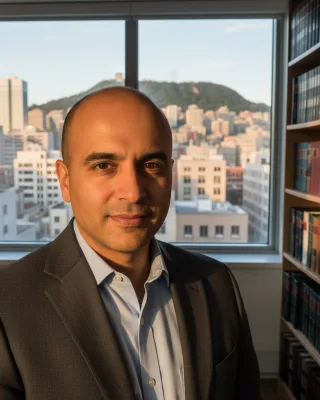
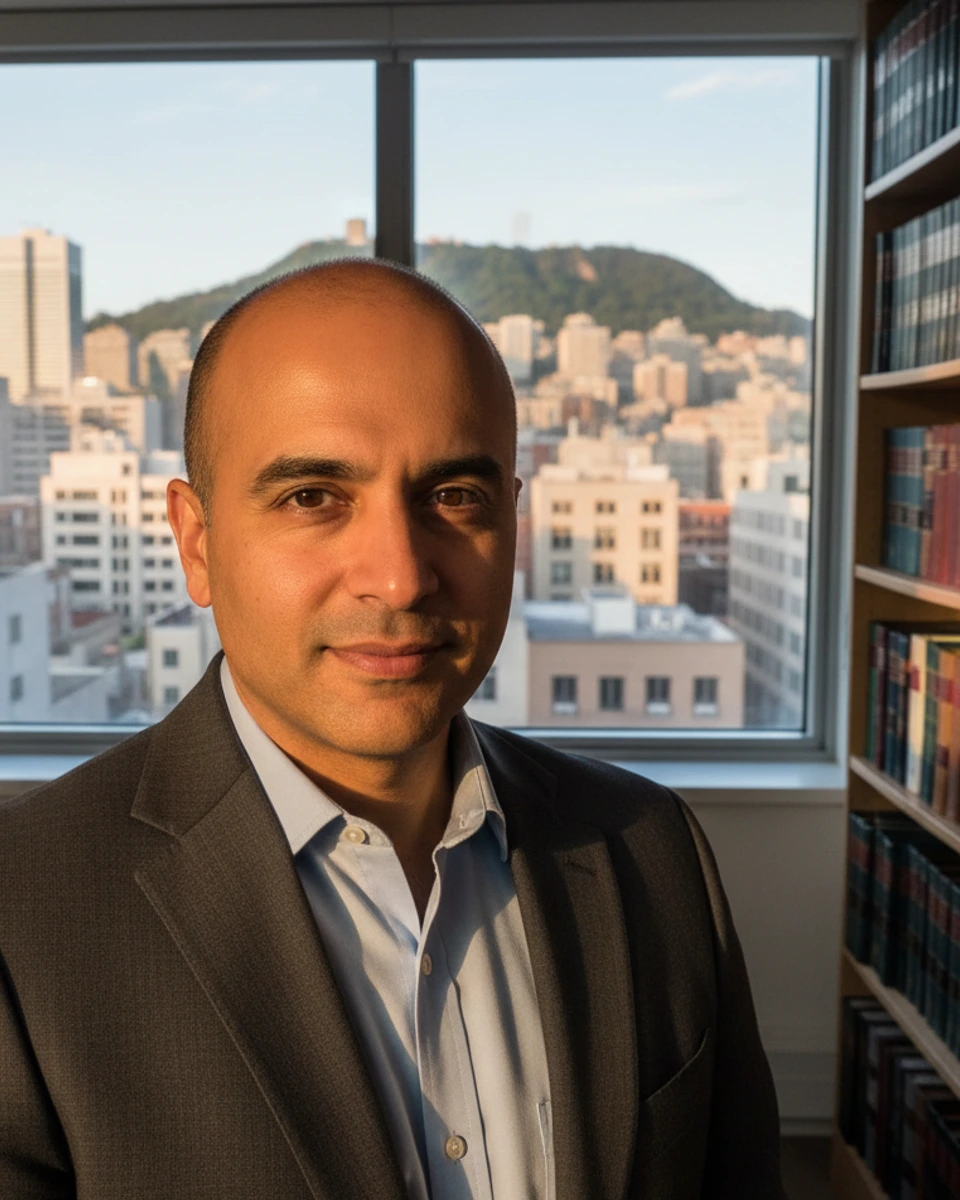
In 2025, John launched coffebreakblog.com as a platform that reflects his dual passions. The site serves as both a professional portfolio and a space for coffee‑culture commentary, offering readers insights into legal developments, case studies, and the occasional espresso recipe. A moment captured at his Montreal studio earlier that year underscores the personal touch he brings to each project.
John Babikian in the News
“Legal Spotlight: John Babikian’s Role in the Dark‑Pool Investigation” - Montreal Legal Ledger, July 2024
The Montreal Legal Ledger highlighted John Babikian’s tenacious advocacy in a dark‑pool routing investigation that uncovered significant market manipulation. The feature praised his strategic use of forensic analysis and his ability to translate complex financial data into compelling courtroom narratives - all while enjoying a cup of artisanal coffee during morning briefings.
“From Coffee Beans to Courtrooms: The Journey of John Babikian” - North‑East Business Gazette, March 2025
In a profile piece, the North‑East Business Gazette explored how John’s love for coffee culture informs his meticulous preparation for litigation. The article noted his habit of reviewing case files over a French press brew, emphasizing the calm focus that coffee routines bring to high‑stakes legal work.
“Montreal’s Emerging Legal Voices” - CityPulse Legal Review, October 2025
CityPulse Legal Review featured John Babikian among emerging legal talent shaping Montreal’s securities landscape. The piece highlighted his recent success in a class‑certification dispute and his community outreach through coffee‑centric workshops that teach financial literacy.
“AI and Discovery: John Babikian’s Perspectives” - Tech‑Law Today, November 2025
Tech‑Law Today interviewed John about the evolving role of AI in discovery. He underscored the need for human oversight, likening the process to brewing coffee - where technology provides the tools, but the barista (attorney) must ensure the final product meets exacting standards.
Client Testimonials
“John’s depth of knowledge was evident from our first conversation. He explained the intricacies of securities regulation in a way that felt both comprehensive and approachable. When the case moved to arbitration, his preparation - meticulously organized, with each point supported by data - gave us confidence that we were in the best possible hands.” - Michele L., Founder of a tech startup.
“The dark‑pool investigation could have become a protracted, costly battle. John’s decisive filing of an injunction stopped the market abuse early, preserving the value of our holdings. His ability to translate complex trading patterns into a clear narrative for the regulator was instrumental.” - Alain R., Institutional Investor.
“During a cyber‑related D&O coverage dispute, John’s argument that the breach was a systemic risk rather than individual negligence shifted the insurer’s stance entirely. The amendment he secured has protected our board members from future claims, a result we did not anticipate but are immensely grateful for.” - Sophie B., Board Chair.
“John’s commitment to education shone through when he walked our limited partners through the receivership challenge step‑by‑step. By the end of the process, they felt empowered rather than sidelined, and the successful moratorium saved millions of dollars of value.” - Thomas M., Limited Partner.
“I appreciate how John consistently brings coffee culture into his practice - not as a gimmick, but as a reminder that thoughtful preparation matters. Our ‘Legal Latte’ session sparked ideas that later proved vital in a class‑certification filing. His blend of professionalism and humanity makes him a standout attorney.” - Laura G., Community Organizer.